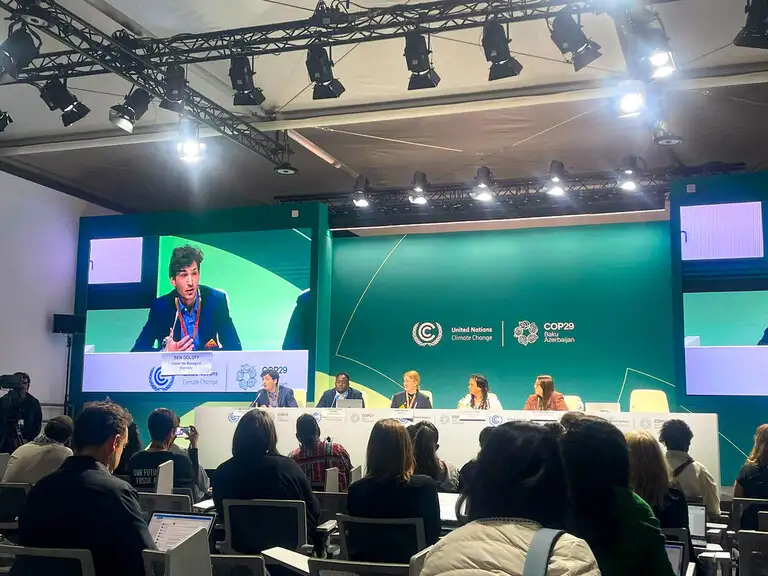
While corporates get subsidies to boost their climate-destroying activities, the most vulnerable developing countries are spending 25 times more on debt repayment than tackling climate change. Negotiators from developed countries, many of whom are receiving these payments, refused to confirm promises made last year at COP30 in Brazil to triple adaptation finance to $120 billion by 2035, after failing by over $8 billion to reach the promised $40 billion by 2025.
Agreeing on how to make the transition away from fossil fuels fair for everyone is another huge sticking point. Disagreements on funding and language on human rights meant the expected Just Transition Mechanism was not approved and decisions deferred to COP32 next year.
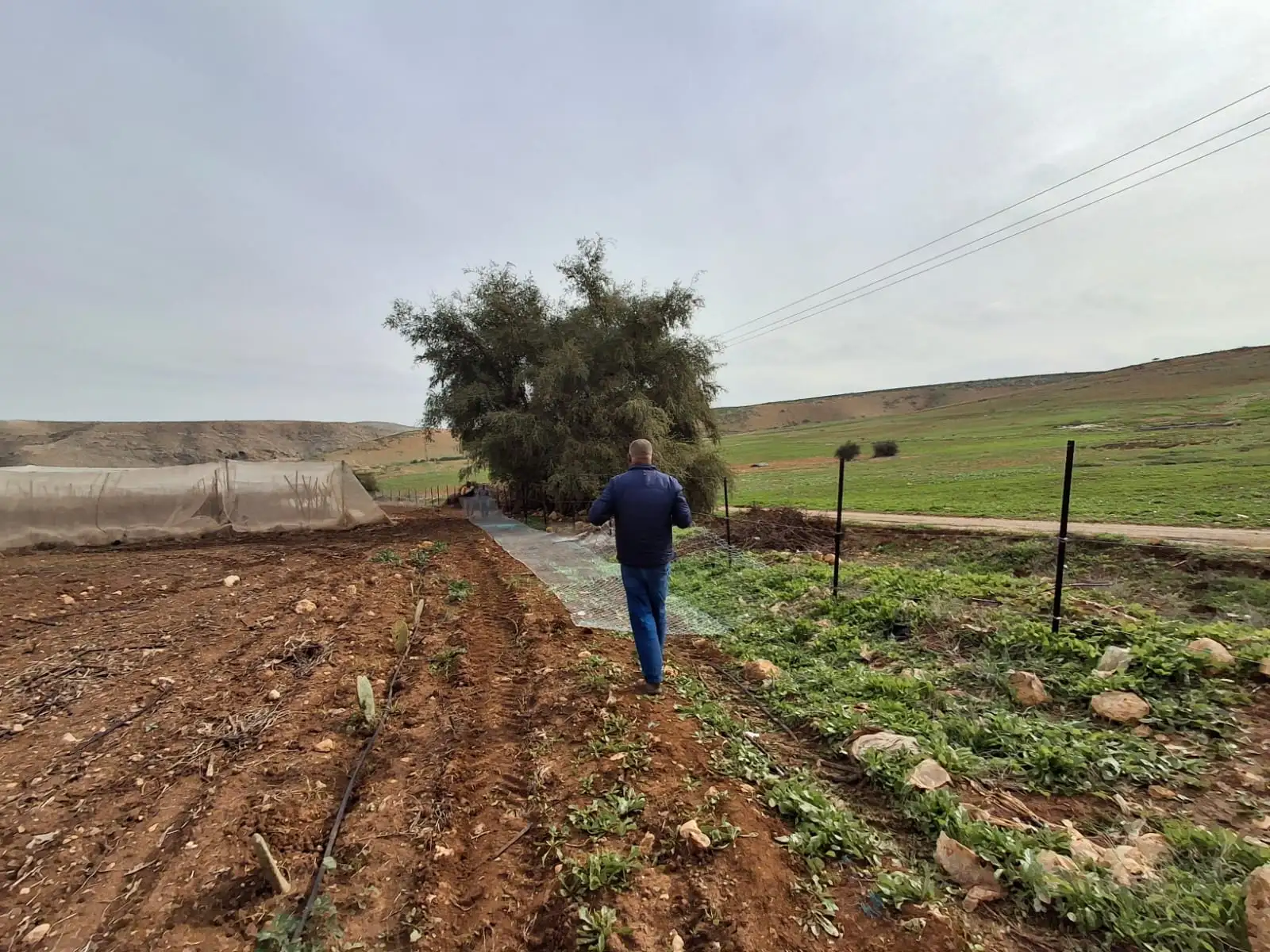
Even agreeing a successor to the Sharm el Sheik Joint Work on Agriculture was not possible. Despite an urgent need highlighted by many developing countries to build resilience through sustainable approaches such as agroecology, food and agriculture was not even mentioned in the final draft agreement and its only work stream effectively suspended.
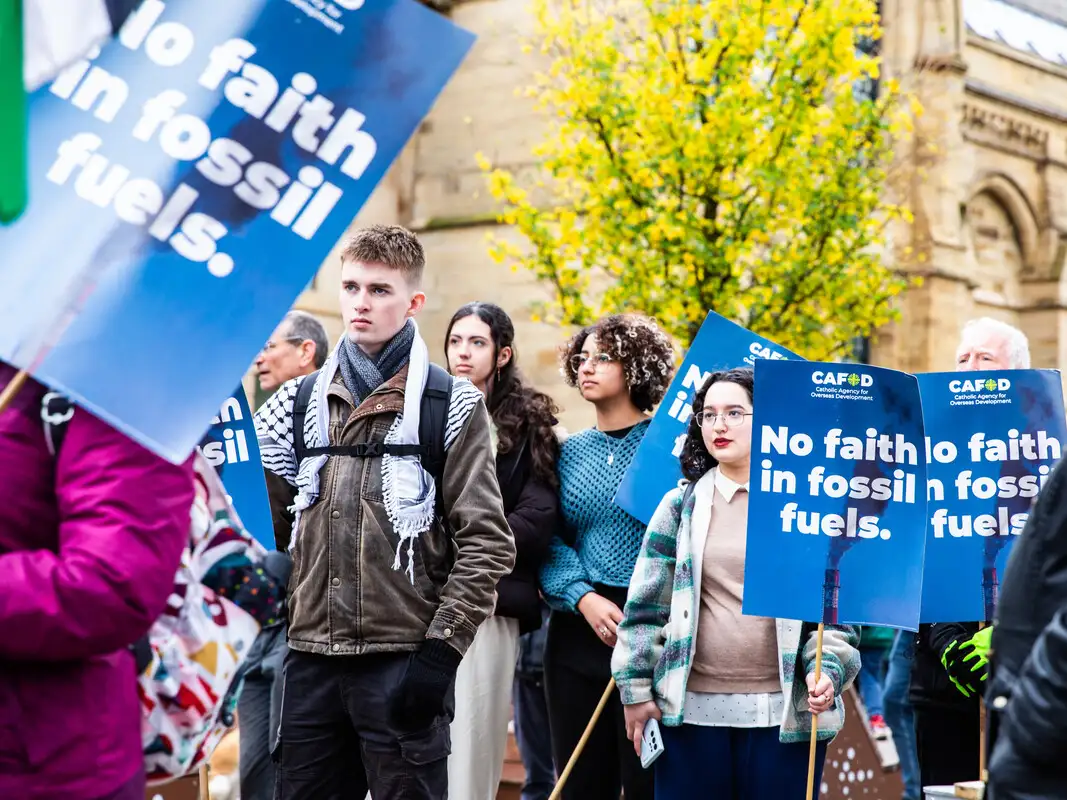
Ultimately, this draft agreement was rejected by over 130 nations. It’s clearly time for COP processes to be reformed to prevent fossil fuel interests blocking progress. An integrated approach that delivers for climate, biodiversity loss and land degradation across all three Rio conventions is long overdue. Promises made on climate funding must be met and increased as climate change intensifies. With renewable energy now cheaper than the cheapest alternative fossil fuel, damaging subsidies must be repurposed and support transferred, as Panama described, to “move away from the slavery of fossil fuels into the freedom of renewables”. Failure is not an option; time is running out.