

At the heart of conflict, there are people like you and me fighting to survive
At the heart of conflict, there are people like you and me fighting to survive

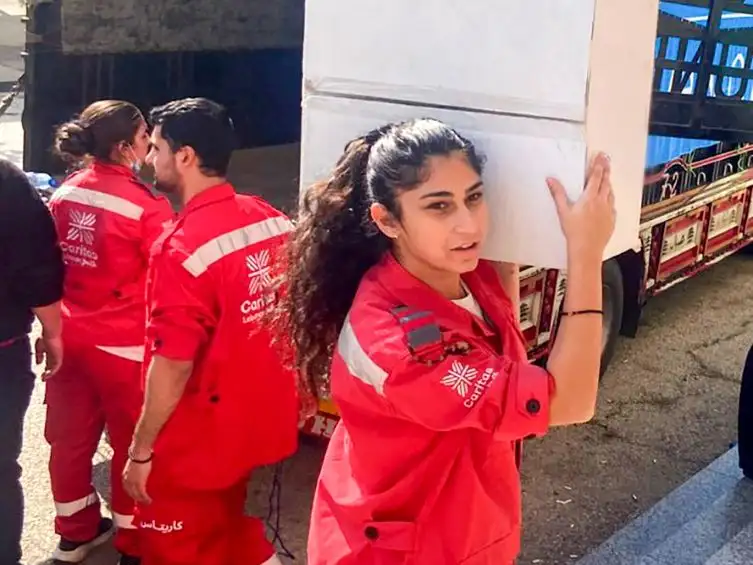
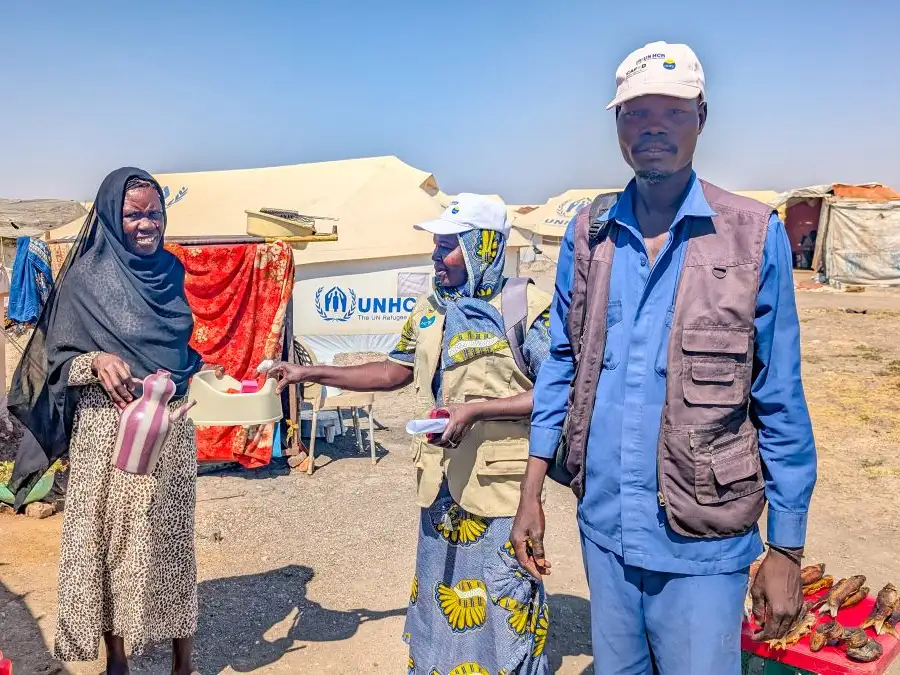
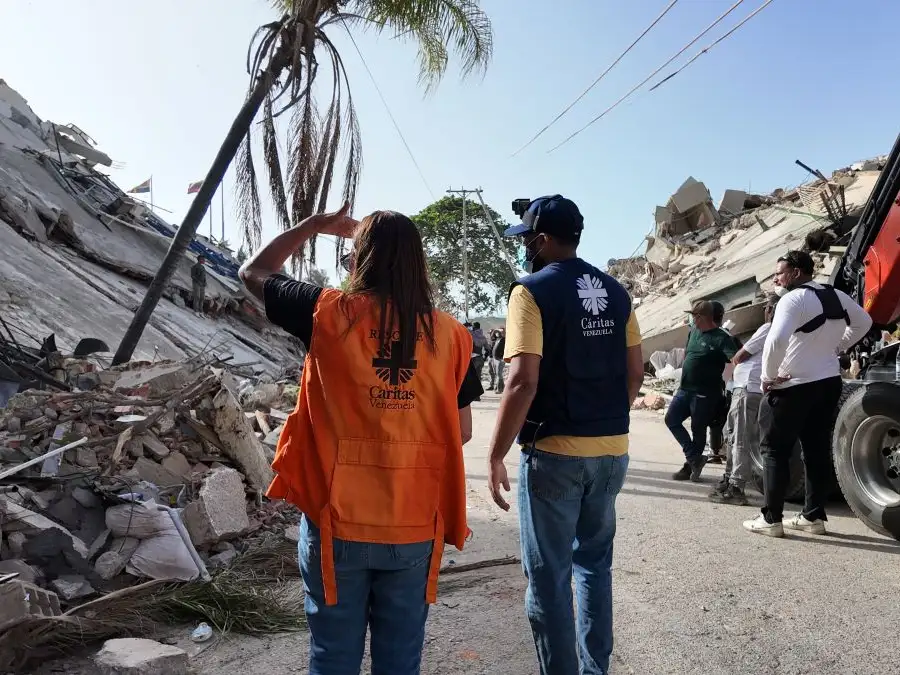
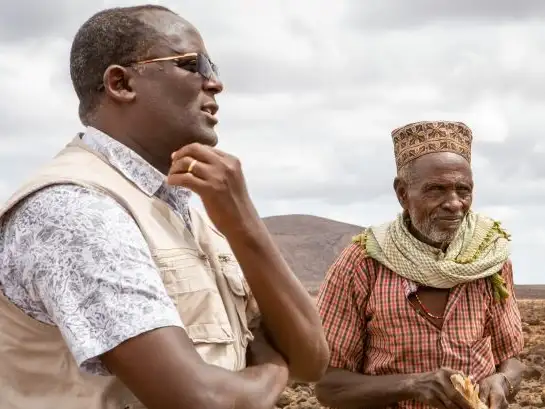
Wednesday 19 August is World Humanitarian Day – a day to honour the people who are the first to help when disaster strikes, and keep helping long after the headlines have moved on. The vast majority of humanitarians are local experts and volunteers, stepping up to help their neighbours with the help they really need, when help is needed most.
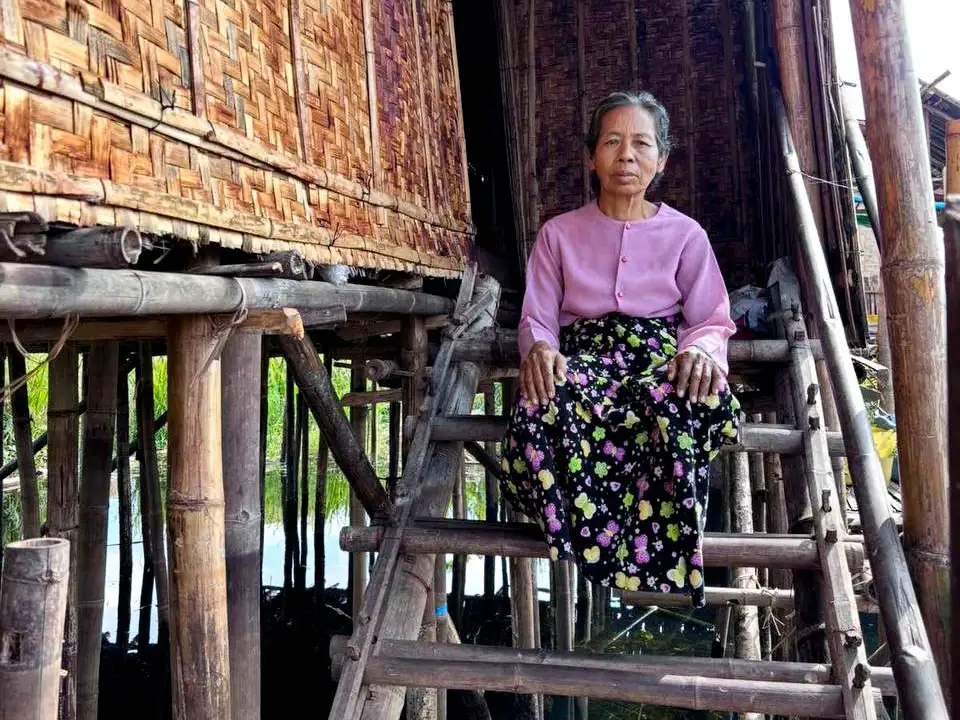
More than 240 million people around the world are in need of urgent humanitarian assistance and protection such as food, water and shelter. That’s over four times the population of the United Kingdom.
The climate crisis and an increase in conflicts globally are the main issues driving the surge in need for humanitarian support. These crises are becoming more frequent and protracted, and lead to other crises such as huge numbers of people fleeing their homes and growing poverty and economic instability. Humanitarian emergencies severely increase the risk of gender-based violence, which means women are especially vulnerable. As disasters become more frequent, and complex, the need for swift, coordinated and sustained response has never been greater.
Together with our local partners and working through our Church network, we don’t just respond to high-profile disasters. Many protracted and underreported crises are silently devastating lives around the world – and our partners are there, working to help as long as they are needed. At CAFOD, we believe a better world is possible. That’s why we work with communities before, during and after an emergency.
Our work on preparing for, responding to and helping people recover after emergencies focuses on four key areas:
Before an emergency happens, we help our local partners get ready to respond quickly and effectively. This might take the form of emergency preparedness planning – a process of identifying potential crises, thinking through how they might respond and what they can do to make a future response more effective.
When an emergency happens, we work with our local partners to provide fast, fair and environmentally friendly help and recovery. This includes support such as providing families in a crisis with money to buy essentials like food and warm clothes.
Emergencies can disrupt communities and undo years of progress. Taking a long-term approach that focuses on reducing risk and building resilience before a crisis strikes can greatly lessen its impact.
Through working with local experts over the long-term, we aim to address the root causes of social, political, economic, environmental and climate challenges. We help families and communities prepare for and adapt to crises like flash floods, and recover so they can flourish even in changing circumstances.
We support our local partners to have a greater role in making the decisions when emergencies hit as they understand the complexities and uniqueness of the communities they serve, making our response even more effective.
We also support our local partners to strengthen their own work helping vulnerable communities, invest in research, learning and new ideas, and build connections with other organisations.
We work alongside partners, the Church and wider humanitarian networks to advocate for the protection of civilians, increased support for locally led response, improved humanitarian financing, and action to address the causes of crises. By influencing decision makers, we aim to ensure people affected by emergencies receive the assistance, protection and dignity they deserve.